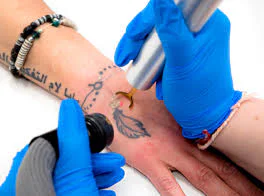
So, you’ve decided to get rid of that tattoo you once loved (or maybe never did). You’ve done some research but still have doubts – about the latest laser technology, the number of sessions needed, the pain factor, and aftercare. Let’s break it all down in an easy-to-read guide, along with some updates.
The Technology: What Machine Should I Use?
One of the most common questions when considering tattoo removal is, Which laser is the best?
At Pulse Light Clinic, we use state-of-the-art Pico lasers (Picosure, Picoway, Picostar), designed to remove different ink colours effectively with precision and care. In 2025, we added PicoStar, which not only removes ink colours but also breaks down scar tissue. Pico lasers work by delivering ultra-short pulses of energy into the skin, fragmenting ink particles into tiny bits that your body naturally eliminates. They are much faster and more efficient than older models like the Q-Switch, meaning fewer sessions, better results, and a lower risk of scarring.
What is Q-Switch, and Is It Still Used?
Yes, the Q-Switch laser is still around in 2025, but it’s considered outdated compared to Pico technology. It’s a cheaper option, but it comes with some trade-offs – slower speed, a higher risk of scarring, and a longer overall removal process. It’s also less effective on certain ink colours and skin types. So, while it might still be in use, Pico lasers are now the preferred choice for safe, efficient, and thorough tattoo removal.
The Process: What to Expect
Before Your Session: How to Prepare
Proper preparation ensures better results and a smoother experience. Here’s what you need to do before your first session:
- Avoid Tanning – Laser treatment works best on untanned skin, as the contrast between the ink and your natural skin tone helps the laser target the tattoo more effectively.
- Stay Hydrated – Keeping your skin hydrated helps your body heal faster after each session.
- No Active Skin Irritations – If you have sunburn, rashes, or open wounds on the area, wait until your skin is fully healed.
- Shave the Area (If Necessary) – If your tattoo is in a hairy area, gently shave to help the laser work more efficiently.
- No Fake Tan or Lotions – Avoid heavy lotions or self-tanning products before treatment.
How Many Sessions Will I Need?
On average, most people require 6–10 sessions for full tattoo removal. However, this varies depending on factors like:
- Tattoo Colour – Black ink is the easiest to remove; green, blue, and yellow may take longer.
- Tattoo Age – Older tattoos fade faster than newer ones.
- Skin Type – Darker skin tones require a more cautious approach.
- Tattoo Depth & Quality – Professional tattoos are deeper and often need more sessions.
- Tattoo Location – Tattoos on hands, feet, and other extremities may need longer due to reduced circulation.
How Long Between Sessions?
Each session should be spaced at least eight weeks apart to allow your skin to heal and for your body to flush out the broken-down ink. Rushing treatment risks irritation and poorer results.
The process is cumulative, so there’s no maximum interval—you can pause anytime. At Pulse Light Clinic, there is no treatment expiry. However, if it has been more than six months since your last session, a free patch test is required.
The Treatment: Does It Hurt?

Let’s be real – laser tattoo removal isn’t exactly a spa treatment. The sensation is often compared to a rubber band snapping on the skin. Some areas (like ribs or ankles) can be more sensitive.
- Numbing Cream – Apply 40 minutes beforehand.
- Cooling Devices – Many clinics use cooling air machines for comfort.
- Short Session Times – Many sessions take under 30 minutes.
Aftercare: What You Need to Know
Proper aftercare is crucial to prevent scarring or infection. Here’s what you need to do:
Immediate Aftercare
- Bandage – Applied immediately to reduce redness and swelling.
- Healing Ointment – Aloe vera gel or ointments like Aquaphor or Vaseline help soothe and heal.
- Avoid Touching or Scratching – Scabbing or blistering may occur; let it heal naturally.
The Days & Weeks Following
- Avoid Sun Exposure – Use SPF 50+ and cover the area.
- No Harsh Skincare Products – Avoid exfoliants and retinol.
- Stay Hydrated – Helps your body eliminate ink particles.
- No Swimming or Saunas – Keep the area dry for at least a week.
- Wear Loose Clothing – Avoid friction on the treated area.
- Assessment – If healing seems delayed after six weeks, contact us for an evaluation.
How Long Until My Tattoo is Gone?
Patience is key! Complete removal may take 1 to 2 years, depending on how your body processes ink. Some people see quick fading; others take longer.
Are There Any Side Effects?
Most people experience temporary redness, swelling, or slight colour changes. Blisters may form but usually heal within a week. Scarring is rare with proper aftercare and high-quality lasers.
Does Laser Tattoo Removal Work on All Tattoos?
Most tattoos can be removed. White, yellow, and neon inks are trickier, while black and dark blue fade most easily. You can always visit our clinic for an assessment.
Is Tattoo Laser Removal Worth It?
Absolutely! Modern lasers make tattoo removal safer, faster, and more effective than ever. Whether you’re removing a past mistake or preparing for a cover-up, laser removal is a reliable solution.
Book a free consultation at Pulse Light Clinic and take the first step toward clear skin!