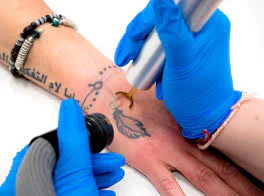
Permanent Hair Removal for All Skin Types and Hair Colours
What Is Electrolysis?
Electrolysis is a method of permanent hair removal that works by inserting a fine probe into individual hair follicles and delivering a small electric current. This current destroys the cells responsible for hair growth, preventing the hair from growing back. It is the only hair removal method recognised by the FDA as truly permanent.
There are three types of electrolysis: galvanic, thermolysis (short wave) and blend. Each method targets the hair follicle differently, and your practitioner will select the most appropriate technique based on the treatment area, your hair type and your skin sensitivity.
Read moreElectrolysis Hair Removal Pricing
Electrolysis 15 Minutes
Pulse Light Clinic Reviews


How Does Electrolysis Work?

Book Your Consultation
During your consultation at our Manchester clinic, your practitioner will assess the treatment area, your hair type, skin type and medical history. We will discuss your hair removal goals and confirm whether electrolysis is the best option for you or whether laser hair removal may be more suitable.

Your Treatment Session
A fine, sterile probe is inserted into each hair follicle individually. A small electric current is delivered to destroy the growth cells at the base of the follicle. The treated hair is then gently removed. Most patients describe a mild stinging or pricking sensation. A topical numbing cream can be applied beforehand to improve comfort. Session length depends on the size of the treatment area, typically ranging from 15 minutes to one hour.

See Progressive Permanent Results
Each treated hair is permanently removed. However, because hair grows in cycles and not all follicles are active at the same time, a course of treatments is needed to catch every hair during its growth phase. Over time, the number of active hairs reduces and sessions become shorter and less frequent until full clearance is achieved.
Electrolysis Hair Removal in Manchester at Pulse Light Clinic
Professional Electrolysis in Manchester City Centre