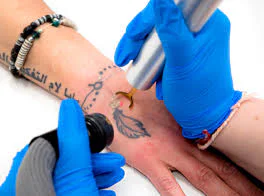
Laser hair removal is a popular and effective solution for achieving smooth, hair-free skin. However, it’s common for people to experience some skin sensitivity or mild reactions after treatment. Knowing what’s expected and how to care for your skin after laser hair removal can help ensure a comfortable recovery and maintain excellent results.
Why Does Skin React After Laser Hair Removal?
Laser hair removal works by targeting hair follicles with laser energy, which can cause mild redness, sensitivity, or swelling in the treated area. These reactions are usually temporary and are a natural part of the skin’s healing process.
Factors Contributing to Sensitivity
Your skin’s response to laser hair removal may vary based on:
Skin type: Sensitive or dry skin is often more prone to post-treatment reactions.
Treatment area: Areas with thinner skin, like the face, may experience more sensitivity.
Laser type: Pulse Light Clinic uses the Candela GentleMax Pro, which is effective yet gentle for sensitive skin types.
Understanding Different Skin Types and Reactions to Laser Hair Removal
Each skin type reacts differently to laser treatments. Sensitive skin may experience redness and itchiness, while oily skin might respond less intensely. Knowing your skin type helps you select the correct aftercare products and routines to minimise irritation and aid healing.
Recognising Normal vs. Abnormal Reactions
Most reactions to laser hair removal are mild and resolve on their own. However, knowing the difference between a normal response and a potential allergic reaction is essential.
Common Reactions
Redness or mild swelling in the treated area, typically lasting a few hours to a day
Minor itching as the skin heals
Tingling or warmth immediately post-treatment
Signs of Allergic Reactions
In rare cases, clients may experience a more intense reaction, such as:
Hives or significant swelling beyond the treated area
Prolonged redness or irritation lasting several days
Blisters or severe itching
If you notice any of these symptoms, it’s best to contact a skincare professional.
How Long Does Skin Sensitivity Last After Laser Hair Removal?
Most people find that sensitivity, redness, and mild swelling subside within 24-48 hours. If your skin still feels sensitive after this period, don’t worry – some skin types may take a few extra days to return to normal. Avoid additional treatments until the skin is fully healed.
Immediate Aftercare to Reduce Sensitivity
Following a few essential laser hair removal aftercare steps can help calm your skin and minimise reactions after laser hair removal.
Cooling the Treated Area
Apply a cold compress immediately after your treatment to soothe the skin and reduce any initial redness or swelling.
Avoiding Heat and Friction
Avoid hot showers, saunas, or any activities that could cause sweating in the treated area for 24-48 hours, as heat can worsen irritation.
Moisturising and Hydrating
Use a fragrance-free moisturiser to keep your skin hydrated. This is especially helpful for dry or sensitive skin types that might be more prone to post-treatment dryness.
What Products Should You Avoid After Laser Hair Removal?
After laser hair removal, it’s crucial to be mindful of your skincare routine. Avoid the following to keep sensitivity at bay:
Exfoliants like AHA/BHA: These can increase irritation and prolong redness.
Retinoids or retinol: Can exacerbate sensitivity and should be avoided for at least a week post-treatment.
Fragranced products: Opt for gentle, unscented products, as fragrances can irritate sensitive, post-laser skin.
How to Alleviate Itching After Laser Hair Removal
Itching is a typical response to laser treatment, especially for those with sensitive skin. Try using a soothing, fragrance-free moisturiser or applying a cold compress to the area. Aloe vera gel is also a fantastic option for calming itchiness and naturally moisturising skin.
Preventative Measures for Minimising Allergic Reactions
At Pulse Light Clinic, we take every precaution to ensure a smooth, comfortable treatment experience.
Patch Testing
We recommend patch testing for clients with sensitive skin to check for any adverse reactions to the laser.
Choosing the Right Laser Type
Our clinic uses the Candela GentleMax Pro, which offers a gentler experience with minimal discomfort, even for sensitive skin types.
Avoiding Potential Irritants Post-Treatment
In the days following treatment, avoid makeup, exfoliants, and heavily scented products to allow your skin to heal without added irritation.
Is Swelling After Laser Hair Removal Normal?
Mild swelling is normal after laser treatment, particularly on sensitive areas like the face. Cold compresses or anti-inflammatory creams can help alleviate swelling. However, consult a professional if swelling persists beyond 48 hours or worsens.
Can You Exercise After Laser Hair Removal?
Exercise can increase blood flow and raise skin temperature, which may exacerbate sensitivity in the treated area. For best results, avoid intense workouts for at least 24–48 hours to give your skin time to recover.
Best Practices for Long-Term Care
Taking care of your skin post-treatment helps with sensitivity and enhances your long-term laser results.
Sun Protection
Applying SPF 30+ daily is essential, especially after laser hair removal. This reduces the risk of hyperpigmentation and keeps your skin safe from UV exposure.
Hydration and Diet
Staying hydrated and eating a balanced diet rich in vitamins promotes skin health, which can help your skin recover faster.
Follow-Up Treatments and Skincare Adjustments
Consult your clinician if you experience prolonged sensitivity or have any concerns post-treatment. Adjusting your skincare routine might be necessary to maintain your results comfortably.
Natural Remedies to Soothe Skin After Laser Hair Removal
If you prefer natural solutions, several remedies can help calm your skin after laser treatment:
Aloe vera: Known for its anti-inflammatory properties, aloe can soothe itching and redness.
Chamomile compresses: Chamomile has a calming effect on irritated skin.
Oatmeal-based products: Oatmeal is great for hydration and helps reduce itching and redness.
Does Laser Hair Removal Cause Hyperpigmentation?
In some cases, people may experience post-inflammatory hyperpigmentation, especially those with sensitive skin. To minimise this risk, avoid sun exposure and use SPF daily. Hyperpigmentation is often temporary and will improve with time.
When to Seek Professional Help
While mild reactions are normal, you should contact your clinician if you experience severe redness, blistering, or prolonged swelling. The professionals at Pulse Light Clinic are always available to guide and support your recovery.
Comfortable Results After Laser Hair Removal
Skin sensitivity and mild reactions after laser hair removal are natural, but they don’t have to disrupt your comfort. By following these simple aftercare tips and consulting professionals when needed, you can enjoy smoother skin and a worry-free recovery. If you have any concerns about post-laser care, the team at Pulse Light Clinic is here to support you with tailored advice to suit your skin’s needs.