What is a Wart?
A wart is a small, rough growth on the skin that is caused by certain strains of the human papillomavirus (HPV). These growths can appear on various parts of the body, but they are most commonly found on the hands, feet, and face. Warts are generally harmless but can be uncomfortable or unsightly, making many individuals seek removal for both cosmetic and practical reasons.
Types of Warts
There are several types of warts, each with distinct characteristics. Understanding the type of wart you have can help in choosing the most appropriate treatment:
- Common Warts: Usually found on the hands, common warts have a rough surface and a round shape. They often appear as small, raised bumps.
- Plantar Warts (Verrucas): These warts develop on the soles of the feet. Unlike other warts, plantar warts grow inwards due to the pressure of walking, which can cause discomfort or pain.
- Flat Warts: Typically smaller and smoother than other types, flat warts often occur on the face, neck, or the backs of hands. They appear as flat-topped, slightly raised lesions.
- Filiform Warts: These are thin, finger-like projections that commonly develop around the mouth, nose, or eyes. Filiform warts grow quickly and can be particularly bothersome due to their location.
- Periungual Warts: Found around or under the fingernails and toenails, periungual warts can be painful and interfere with nail growth.
Causes of Warts
Warts are caused by the human papillomavirus (HPV), which infects the outer layer of skin, leading to rapid cell growth and the formation of warts. The virus is highly contagious and can spread through direct contact with an infected person or by touching surfaces that carry the virus, such as towels or floors in communal areas like swimming pools and gyms. Factors that increase the risk of developing warts include having a weakened immune system, minor skin injuries, and prolonged exposure to moisture.
How to Prevent Warts
While it’s not always possible to prevent warts, there are several steps you can take to reduce the risk of developing or spreading them:
- Avoid Direct Contact: Avoid touching warts on yourself or others to prevent spreading the virus.
- Keep Skin Clean and Dry: Warts thrive in moist environments, so ensure your skin is kept dry and clean, particularly around your hands and feet.
- Do Not Share Personal Items: Towels, razors, and socks should not be shared, as they can spread the HPV virus.
- Wear Foot Protection in Communal Areas: Use flip-flops or waterproof shoes in communal showers, locker rooms, and around swimming pools to avoid contact with surfaces that may harbour the virus.
- Treat Small Cuts Immediately: Warts are more likely to develop where there are minor injuries. Keep cuts clean and covered to avoid infection.
How to Differentiate a Wart from Cysts, Lipomas, and Moles
It can be challenging to identify the difference between a wart and other skin conditions such as cysts, lipomas, or moles. Here are some distinguishing features to help:
- Warts: Typically rough and grainy, with small black dots (blood vessels) on the surface. They are caused by a viral infection.
- Cysts: Smooth lumps that can move slightly under the skin. They are filled with fluid or semi-solid material.
- Lipomas: Soft, fatty lumps that grow under the skin and are usually painless. Lipomas are non-cancerous growths and feel rubbery.
- Moles: Dark or flesh-coloured spots that can be flat or raised. Moles are generally round or oval and do not cause pain.
For a professional diagnosis and effective treatment, consult with the dermatology experts at Pulse Light Clinic.
Wart Removal Treatments at Pulse Light Clinic
At Pulse Light Clinic, we offer a range of effective wart removal treatments, tailored to address different types of warts with precision and care. Our expert team will guide you through the most suitable option based on your needs, ensuring a smooth and comfortable experience. Here are the wart removal treatments available at our clinic:
Wart Removal via Excision
Excision involves surgically removing the wart using a precise cutting technique. This method is ideal for larger or stubborn warts and is performed under local anaesthetic to ensure minimal discomfort. The procedure is quick, with immediate results, making it a great choice if you want a swift solution.
Wart Removal via Shave
Shave removal is a minimally invasive technique where the wart is carefully shaved off the skin’s surface. It is suitable for warts that are not deeply embedded and allows for a quick recovery time. This method is particularly effective for smaller warts or those in sensitive areas.
Wart Removal via Curettage
Curettage involves scraping away the wart tissue after it has been treated with an electric current or a freezing agent. This technique is often combined with electrosurgery to ensure that the wart is thoroughly removed. Curettage is effective for larger or more deeply rooted warts, offering a reliable solution with minimal downtime.
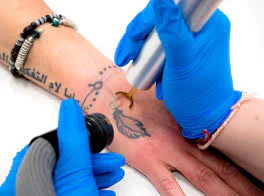
Wart Removal via Laser
Laser therapy uses targeted light energy to destroy the wart tissue by cutting off its blood supply. This method is highly precise, making it ideal for warts in sensitive areas such as the face or around the nails. Laser treatment also reduces the risk of scarring, making it a preferred choice for visible areas.
Our team of experts will assess your condition during your consultation and recommend the most suitable treatment for you. At Pulse Light Clinic, you can trust us to deliver professional, effective, and comfortable care for your wart removal needs. Contact us today to book your consultation and take the first step towards clearer, wart-free skin.
Common Areas of the Body Prone to Warts
Warts can develop on various parts of the body, but some areas are more susceptible due to frequent exposure to the virus or increased friction. Here are the most common areas where warts are likely to appear:
- Hands and Fingers: Common warts often develop on the hands and fingers due to their frequent contact with surfaces and objects. People who bite their nails or have small cuts are at a higher risk as the virus can enter through breaks in the skin.
- Feet (Plantar Warts): Warts on the soles of the feet, known as plantar warts, are common due to walking barefoot in communal areas like swimming pools, gyms, and locker rooms. These warts can become painful because they grow inward, causing discomfort when walking or standing.
- Face: Flat warts are more likely to appear on the face due to the skin’s sensitivity. These small, smooth warts can spread quickly through activities like shaving, making it important to avoid spreading the virus to other areas.
- Knees and Elbows: The skin around the knees and elbows is prone to small cuts and abrasions, making it easier for the HPV virus to enter and form warts. These areas often have rougher skin, which provides a suitable environment for warts to develop.
- Genital Area: Genital warts are caused by different strains of HPV than those that cause common warts. They are transmitted through sexual contact and require specialised treatment for removal.
- Under and Around Nails (Periungual Warts): These warts form around or underneath the fingernails and toenails. They can be particularly troublesome as they may affect nail growth and cause discomfort, making it difficult to perform everyday tasks.
Warts can develop anywhere on the body, but they tend to thrive in areas with broken skin or where moisture accumulates. If you notice any unusual growths or bumps on your skin, it’s best to consult with a specialist at Pulse Light Clinic for accurate diagnosis and treatment.
Read more